
Buy Byetta (Exenatide)
Byetta (exenatide) is an injectable medication used to improve blood sugar control in adults with type 2 diabetes. It is not used for type 1 diabetes or diabetic ketoacidosis.

Byetta (exenatide) is a prescription medication used to treat type 2 diabetes. It is not available over-the-counter and requires a prescription from a licensed medical provider
Drug class
Byetta belongs to a class of medications called glucagon-like peptide-1 (GLP-1) receptor agonists, also known as incretin mimetics.
Mechanism of action
Byetta works by mimicking the effects of the natural hormone GLP-1. This involves:
Enhancing glucose-dependent insulin secretion from the pancreas.
Suppressing glucagon secretion (which helps lower glucose production from the liver).
Slowing gastric emptying, which can help regulate post-meal blood sugar levels.
Reducing food intake.
Dosage and administration
Byetta is administered as a subcutaneous injection twice daily, within 60 minutes before the morning and evening meals (or before the two main meals of the day, approximately 6 hours or more apart).
The initial dose is 5 mcg twice daily, which may be increased to 10 mcg twice daily after one month, based on the patient's clinical response.
It comes in prefilled pens of 5 mcg and 10 mcg doses.
Contraindications
Byetta should not be used in individuals with:
A history of severe hypersensitivity reactions to exenatide or other components of Byetta.
Severe kidney disease or those on dialysis.
A severe stomach disorder that causes slow digestion.
A history of low platelet levels while using exenatide.
Diabetic ketoacidosis.
A history of pancreatitis.
Type 1 diabetes.
Potential side effects
Common side effects of Byetta include:
Nausea (often when starting the medication, may decrease over time).
Vomiting.
Diarrhea.
Headache.
Feeling jittery or dizzy.
Low blood sugar (hypoglycemia), particularly when used with insulin or sulfonylureas.
Interactions
Byetta can interact with other medications, including:
Insulin and sulfonylureas (increased risk of low blood sugar).
Oral medications, as Byetta can slow gastric emptying and affect absorption.
Oral antibiotics.
Birth control pills.
Warfarin.
ACE inhibitors.

Weight loss
While not approved as a weight-loss medication, many individuals using Byetta for type 2 diabetes experience weight loss as a side effect. This may be due to Byetta's effects on appetite and gastric emptying.
Byetta and Bydureon both contain exenatide but differ in their duration of action and administration:
Byetta: A short-acting form of exenatide, injected twice daily.
Bydureon BCise: A long-acting form of exenatide, injected once weekly.
Bydureon BCise has shown to be more effective at lowering A1C and fasting blood sugar, while Byetta may be preferred for managing post-meal blood sugar spikes.
Nausea is less common with Bydureon BCise compared to Byetta.
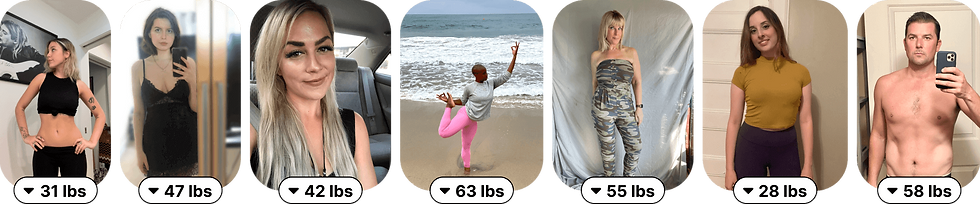
Kickstart Your Weight Loss Journey!
- Mounjaro (Tirzepatide)

- Ozempic (Semaglutide)
- Wegovy (Semaglutide)
- Saxenda (Liraglutide)
- Trulicity (Dulaglutide)
- Victoza (Liraglutide)
- Bydureon (Exenatide)
- Byetta (Exenatide)
- Adipex (Phentermine)
- Orlistat (Alli/Xenical)
- More!
Our Services:
- Expert guidance and support from healthcare professionals
- Personalized weight loss plans tailored to your needs
- Fast and discreet shipping to your doorstep
- Competitive pricing and flexible payment options
Get Started Today!


Comments